Reflecting on Submitting a Patent
I’ve spent most of my career shipping software. You push code, you iterate, you ship again. Filing a patent does not feel like that.
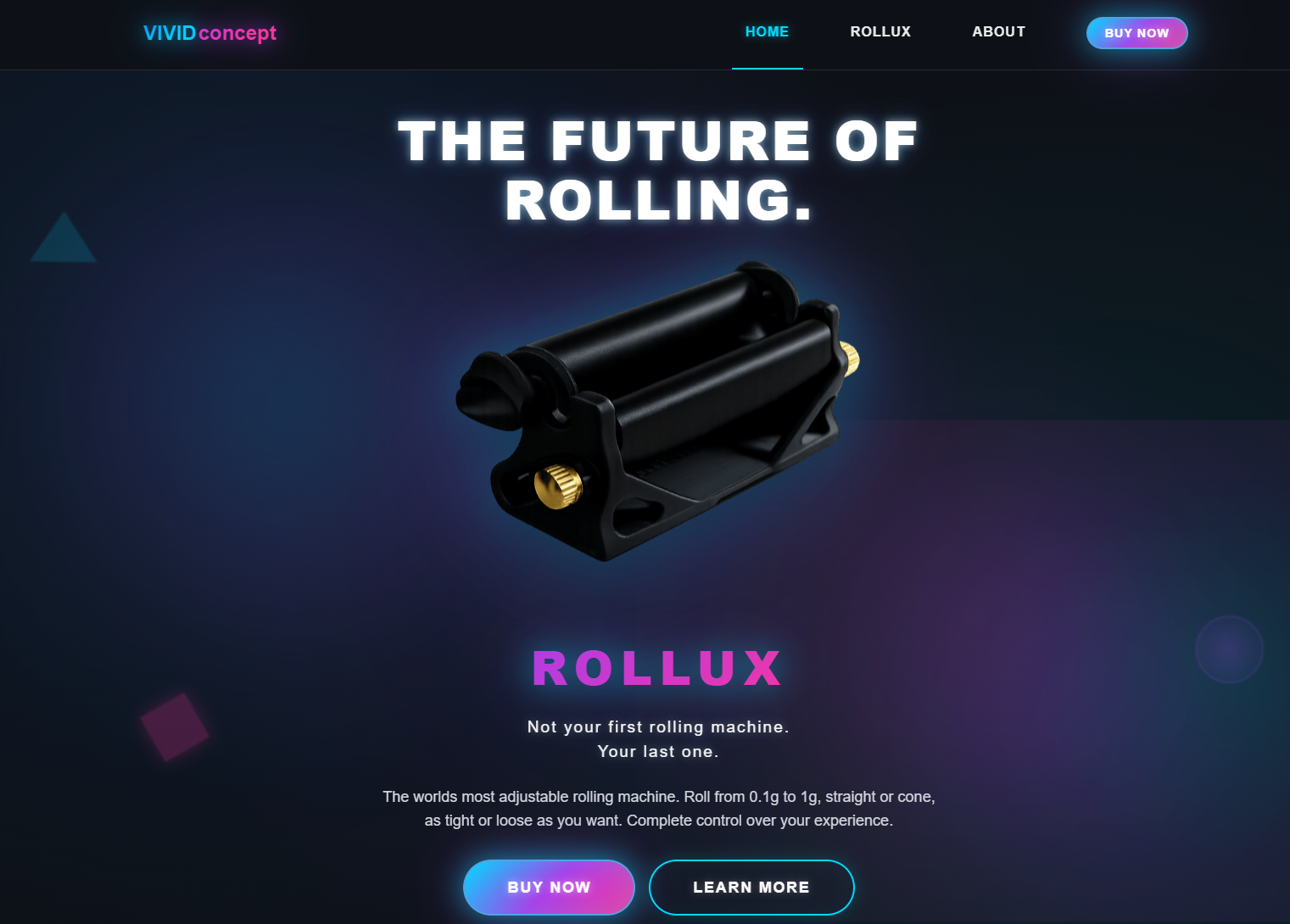
When I submitted the patent for the ROLLUX through VIVIDconcept, it landed somewhere between pride, nerves, and a weird sense of finality. Not finality like “done forever,” more like “this version of the idea is now on the record.” That was new for me.
Coming from software
In software, protection usually means moving fast, building something people want, and staying ahead. Patents felt like a distant, expensive thing that happened in other industries. Then I started making a physical product and realized: if someone can reverse-engineer what you obsessed over for a year from a photo and a teardown, you need a different kind of defense.
So I filed. Not because I suddenly became obsessed with legal paperwork, but because the ROLLUX is the first thing I’ve built where the mechanism is the product. The adjustability, the way it solves a real annoyance with rolling machines. That’s the invention. Writing it down formally forced me to be precise about what I actually invented versus what was just “nice packaging.”
What surprised me
A few things I did not expect:
Clarity is hard. Explaining an invention so a patent examiner (and a future stranger reading the claim) understands it without watching you demo it is its own craft. You strip away the story and keep the structure. That discipline was useful even outside the filing.
It is slow on purpose. Software trains you for weekly releases. Patent timelines train you for patience. You submit, then you wait. The waiting is not failure. It is the process.
It changes how you talk about the work. Once something is filed, you get more careful about what you say publicly and what you keep until later. That tension is real when you also want to share the making-of openly.
It is emotional. Filing is not just admin. It is putting a stake in the ground that says: I made this, and it matters enough to protect. For someone who mostly shipped invisible systems for years, that felt oddly personal.
What I would tell past me
If you are coming from software into hardware (or anything patentable):
- Start documenting early. Sketches, prototypes, dates. Future-you will thank present-you.
- Do not confuse “I filed” with “I won.” Filing is a beginning, not a trophy.
- Get help. I am not a patent attorney, and this is not legal advice. Talk to people who do this for a living.
- Keep building. The patent protects an idea. The product still has to exist in the world and be worth using.
Still early
This is one filing on one product. There is more learning ahead: office actions, manufacturing realities, whether the market cares as much as I do. I am okay with that. The point of reflecting is not to pretend the hard part is over.
It is to mark the moment. I submitted a patent. That sentence still feels a little surreal to type. And I am proud of it.
Links & Resources
- 🏠 VIVIDconcept - Product design house
- 🚀 ROLLUX - The product behind the filing
- 📝 Earlier post - Launching VIVIDconcept and the ROLLUX